What to do in Barcelona?
Barcelona is one of those rare cities that genuinely delivers on its reputation. Sun-baked beaches, world-class architecture, a food scene that swings from market stalls to Michelin stars, and neighbourhoods that reward the curious — it’s a place that works equally well for a long weekend or a slow two-week stay. Whether you’re here for the Gaudí trail, the seafood, the nightlife, or all three, Barcelona has something worth showing you.
This page is your starting point. Below you’ll find the honest lay of the land — what to prioritise, what to skip, and how to squeeze the most out of every day.
Top attractions in Barcelona you genuinely shouldn’t miss
Barcelona sightseeing starts, almost inevitably, with Gaudí — and rightly so. His buildings aren’t just tourist magnets; they’re among the most imaginative structures ever built.
- Sagrada Família — The unfinished basilica has been under construction since 1882 and is still going. It’s extraordinary inside and out, and the towers offer views worth the climb. Book well in advance — tickets sell out weeks ahead, especially in peak season (June–September). Prices start at around €26 for basic entry; tower access costs more.
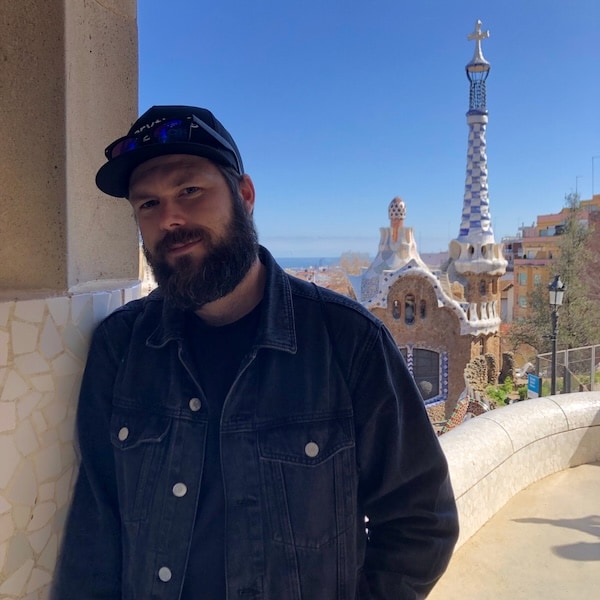
- Park Güell — The public park is free, but the Monumental Zone (the famous mosaic terrace and gingerbread gatehouses) requires a ticket (~€10). Go early morning to beat the crowds.
- La Pedrera (Casa Milà) — The rooftop warriors alone justify the entrance fee (~€25). The Espai Gaudí exhibition inside is genuinely illuminating if you want context for his obsessions.
- Casa Batlló — The most theatrical of his buildings on Passeig de Gràcia. The “Magic Nights” evening experience is a splurge but spectacular. Standard tickets from around €35.
- Picasso Museum — Located in a run of medieval palaces in El Born, this is the best place to understand Picasso’s formative years in Barcelona. Go on the first Sunday of the month when entry is free, or queue early.
- MNAC (Museu Nacional d’Art de Catalunya) — The Romanesque art collection alone makes this worth the trip. The building sits atop Montjuïc and the views from the terrace are free.
- Barceloneta beach — Barcelona’s city beach is 1.2 km of sand backed by seafood restaurants. It gets crowded in July and August; visit before 10am or after 6pm if you want space.
Neighbourhoods worth exploring
Beyond the main sights, the best things to do in Barcelona 2026 involve simply walking and getting lost.
- Gothic Quarter (Barri Gòtic) — The old Roman core of the city. Narrow lanes, hidden squares, the Barcelona Cathedral, and the remains of the old Roman wall. Easy to explore on foot, and free walking tours leave from here daily.
- El Born — Immediately east of the Gothic Quarter and more relaxed. Home to the Picasso Museum, the iron-framed Mercat de Santa Caterina, and some of the best independent bars and restaurants in the city. This is where I’d spend a free afternoon.
- Gràcia — A former independent village absorbed into Barcelona in the 19th century. It still feels distinct — smaller squares, local cafés, a young creative population. Worth an evening.
- Poblenou — Barcelona’s old industrial district, now a tech and design hub with good coffee, interesting street art, and a stretch of less-crowded beach.
Day trips from Barcelona
The city is an excellent base for short excursions.
- Montserrat — The jagged mountain monastery an hour from the city by train and rack railway. Start early, hike the Sant Joan trail for views, visit the Black Madonna. Spiritual and visually dramatic.
- Sitges — A charming coastal town 35 minutes south by train. Known for its beaches, its Carnival, and a relaxed atmosphere that feels a world away from the city.
- Tarragona — 1 hour south. Roman amphitheatre, aqueduct, and a cathedral — all properly old, and refreshingly uncrowded compared to Barcelona’s main sites.
Food and drink in Barcelona
La Boqueria market on La Rambla is famous for good reason — fresh produce, jamón, cheese, and the smell of fresh seafood. Go before 10am to see it as a working market rather than a tourist photo opportunity. Avoid eating at the stalls nearest the entrance; they’re overpriced and underwhelming.
Tapas culture is real but sometimes misunderstood. In Barcelona, pintxos (the Basque-style skewers) are also widely available, particularly in El Born. A proper tapas crawl means moving between bars, ordering one or two things at each, and eating standing up.
Vermouth hour — or la hora del vermut — runs roughly 12pm–2pm and is one of the most underrated rituals in Spanish food culture. Order a glass of house vermouth with olives and a few anchovies and you’ll feel very local indeed.
For sit-down meals, explore the side streets of El Born and Gràcia rather than anything on La Rambla. The quality-to-price ratio improves dramatically once you’re two blocks away from the tourist drag.
Active Barcelona
Barcelona is a genuinely good city for staying active.
- Running — The seafront promenade from Barceloneta to Poblenou is flat and scenic. For hills, Montjuïc park offers trails with city views; the Olympic stadium loop is a classic. See our dedicated guide: Where to run in Barcelona.
- Cycling — The city has an expanding network of bike lanes. The Bicing public bike scheme is cheap but requires a local registration; tourist-oriented hire shops are easy to find.
- Beach — Beyond sunbathing, you can rent paddleboards and kayaks at Barceloneta. Water quality is generally good.
Are tours worth it?
For most attractions, no. You can walk the Gothic Quarter without a guide and enjoy it perfectly. But there are a few cases where a tour adds real value.
For Sagrada Família, an audio guide or guided tour provides context that transforms the visit — Gaudí’s structural logic and symbolism aren’t obvious without explanation. A guide also means you skip the main queue.
Free walking tours in the Gothic Quarter are genuinely good. They run daily, you pay what you think it was worth at the end, and the guides are typically excellent. Worth doing in the first day or two to orient yourself. More detail in our guide: Are tours in Barcelona worth it?
Boats and the sea
Barcelona’s harbour is underused by most visitors. A short harbour tour gives you a different angle on the city skyline and is a pleasant hour if the weather is right. Some tours continue along the coast toward Barceloneta. Full details in our guide: Boat trips and tours in Barcelona.
More guides on what to do in Barcelona
- Are tours in Barcelona worth it?
- Everything you need to know about boat trips and tours in Barcelona
- Food and drinks in Barcelona
- Gaudí’s church in Colònia Güell
- Hen party in Barcelona: The best ideas for your hen do
- Need a luxury car in Barcelona? Check out all the best rentals in the city
- Olympic stadium in Barcelona
- Where to run in Barcelona? 5 tips from local runners
Frequently asked questions
How many days do you need in Barcelona? Three full days covers the main sights at a reasonable pace. Five days lets you explore neighbourhoods, take a day trip, and eat well. A week is never wasted here.
What is the best time of year to visit Barcelona? May–June and September–October hit the sweet spot: warm weather, manageable crowds, and lower prices than July–August. Avoid the peak August heatwave if you’re sensitive to heat.
Do I need to book attractions in advance? Yes for Sagrada Família — always, and as far in advance as possible. Recommended for Casa Batlló and La Pedrera in summer. Park Güell’s Monumental Zone has timed entry so book ahead too.
Is the Barcelona Card worth it? It depends on your itinerary. If you plan to use public transport heavily and visit multiple museums, it can save money. Our comparison pages break it down by card type and trip length.
Is Barcelona safe for tourists? Generally yes, but pickpocketing is common in tourist areas — particularly on La Rambla, the Metro, and around Sagrada Família. Use a money belt or anti-theft bag and keep your phone in your pocket.
Can you visit Barcelona on a budget? Yes. Many museums have free entry days (first Sunday of the month for several). The beach is free. Free walking tours are pay-what-you-like. Eating a set lunch menu (menú del día) at a local restaurant typically costs €12–15 for three courses including wine.